
"Many
(of our) counselors have collected data on changes
in student behavior and school performance. The positive
results are impressive.
I give Christian Moore and the Why Try program my highest recommendation.
. ."
The
WhyTry Organization was created to provide simple
hands on solutions for helping youth learn important
life skills such as:
Anger
Management
Problem
Solving
Dealing
with Peer Pressure
Living
Laws and Rules
Building
a Support System
Having
a Vision of their Future
"The
Reality Ride"
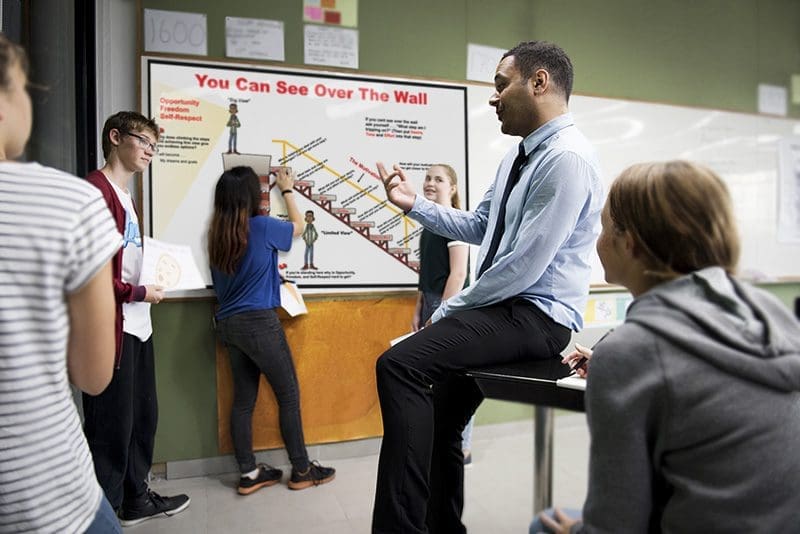
(the 1st visual analogy)
Our
Mission:
To help people achieve freedom, opportunity, and self-respect
through education and interventions that motivate and create
positive change. We offer hope and an answer to the question
Why Try in life?
The WhyTry Program
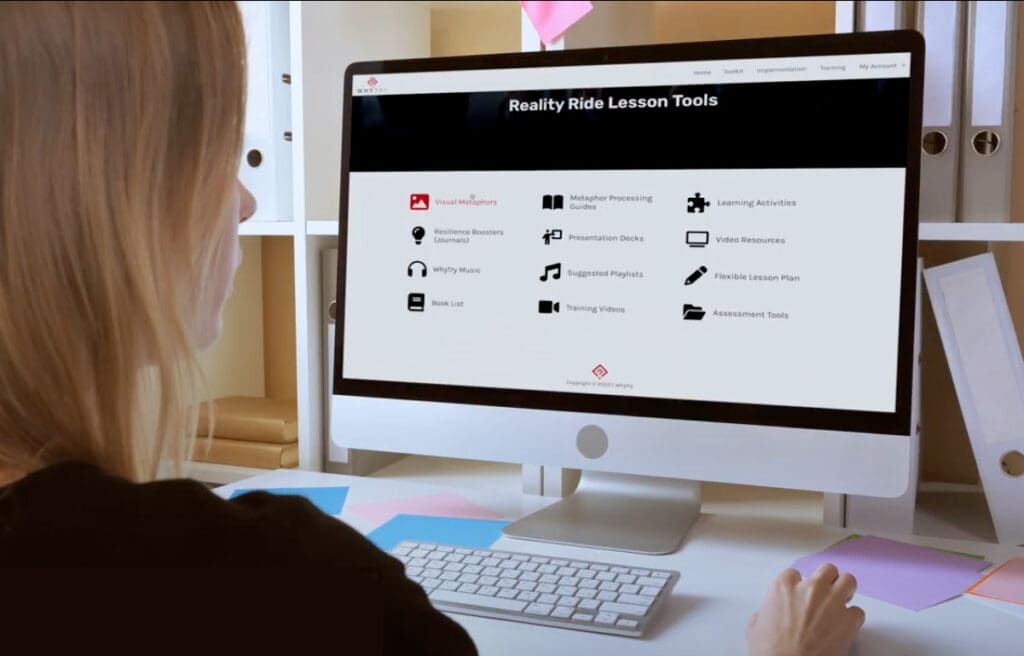
The WhyTry Program is a simple, hands-on curriculum which helps youth overcome their challenges and improve outcomes in the areas of truancy, behavior, and academics.
WhyTry teaches critical social and emotional principals to youth (K-12) using a series of ten pictures (visual analogies) which each teach a principal, such as resisting peer-pressure, or that decisions have consequences. The visual components are then reinforced by music and physical activities. The major learning styles—visual, auditory, and body-kinesthetic—are all addressed.
WhyTry is currently used in over 5,000 schools, mental health facilities, and correctional facilities in worldwide. The program is used by counselors, social workers, special education teachers, and administrators to change the lives of students with a wide variety of backgrounds and challenges.
The WhyTry Organization
The WhyTry Organization was founded by Christian Moore, LCSW, who is now recognized internationally as a leading advocate for at-risk youth. Christian speaks at over 100 conferences and events every year, providing keynote addresses, instruction and inspiration. The rest of the WhyTry team provides WhyTry certification trainings, in-service trainings, and conference sessions in over 100 cities around the world every year. » Watch Video
WhyTry in Schools
WhyTry in High Schools
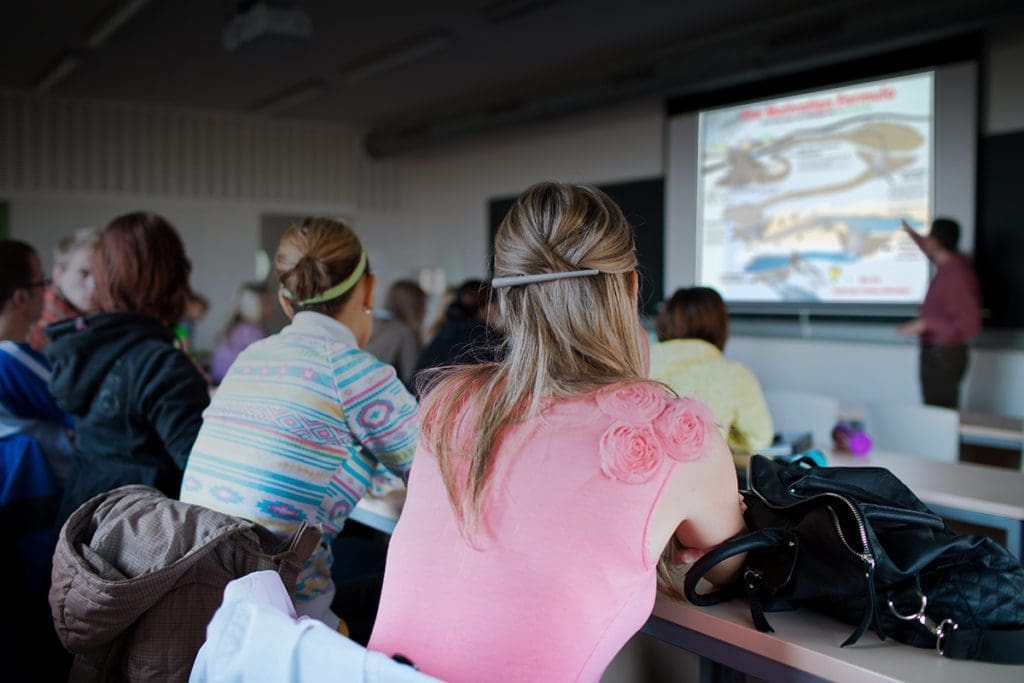
The WhyTry Program was originally developed for adolescents, and most of the original data on WhyTry was collected in high schools. Thousands of high schools use WhyTry to improve student retention, academic performance and school climate.
The WhyTry Program is often added to an existing course—such as study skills or health--and meets for one period each week over a semester. Struggling students are invited into the WhyTry course, where they receive some of the critical social and emotional skills everyone needs to succeed. For students in grades 9 and 10, WhyTry can provide tools to help change patterns of failure and indifference and improve their high school career. For students in grades 11 and 12, WhyTry can help provide motivation to put in the effort to graduate and lower the anxiety about their future that often leads to self-defeating behaviors.
WhyTry in Middle and Junior High Schools
The WhyTry Program has proven highly effective in grades 6 through 8 at impacting negative student behavior. Developmentally, middle schoolers are in transition. Anything that can be done to remediate and reinforce basic social and emotional skills at this developmental stage can pay dividends down the road.
The WhyTry Program can incorporated into an existing course, added as a new course, used for advisory periods, or even incorporated into homeroom. Whatever the implementation strategy, WhyTry is an engaging program that students look forward to and continue to talk about after the course ends.
WhyTry in Elementary Schools
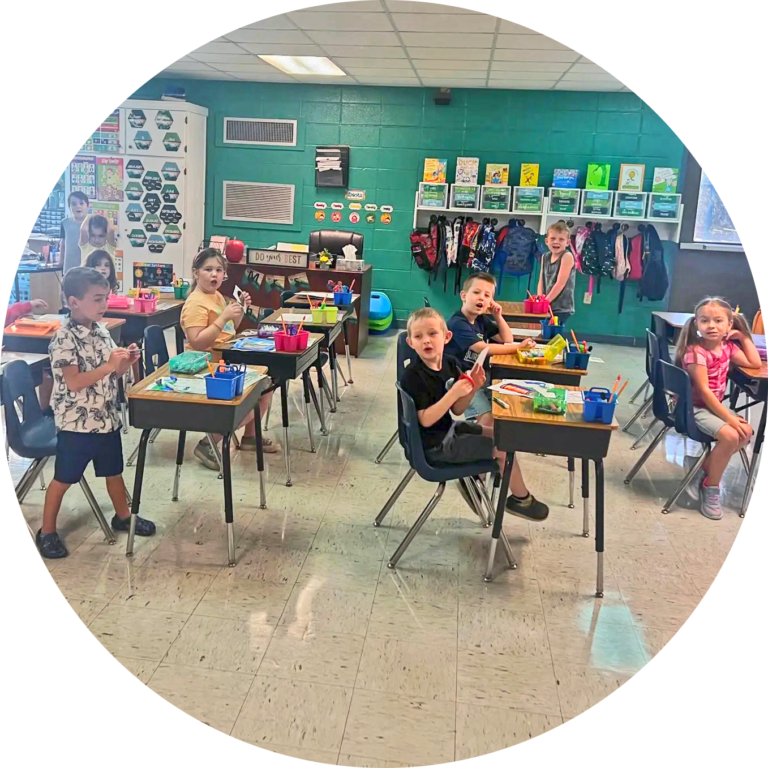
The WhyTry Program was originally developed for use with adolescents but over time our customers began taking the program materials and adapting them for use with younger children. (One of the benefits of the visual and hands on approach is that the program can be easily adapted for different developmental levels.) As a result, we decided to do our own elementary school pilot . From this pilot we created a set of simplified lesson plans and activities for using the program with elementary age children.
The program is now used in hundreds of elementary schools and continues to gain popularity as an early intervention for helping children deal with the increasing challenges they face. » Click to watch Videos
WhyTry in Mental Health
The WhyTry Program was originally developed for use in a mental health environment as a one on one counseling tool. The WhyTry Visual analogies provide a practical guide for discussing personal challenges and solutions to problems that youth face at home, at school, and with their peers.
The program utilizes a strength based approach to counseling and is infused with empirically sound theories and techniques including:
The program is now used by clinical social workers, psychologists, and other mental health clinicians in both group and one on one settings.
WhyTry in Corrections
Over the last three to four years we have seen a great deal of interest in using the WhyTry Program as a tool for helping adult inmates and youth wards to deal with the challenges they face while incarcerated and preparing them for the time that they will be released. The WhyTry Visual analogies provide a practical guide for understanding important decisions that they must make in order to stay clean once they return their families and society.
WhyTry is now used in youth corrections facilities as a group counseling tool. The program is often taught by counselors, detention center staff, teachers and probation officers. WhyTry is also used with adults in several prisons and jails across the country.
To
view a clip of Christian Moores Presentation click
here (19min)
Check out our new Hands-on Activities Kit. We have put together a kit with all of the materials and props for each of the experiential activities that are part of the WhyTry program. Now you can have everything in one place when you need it. more info
"I have never had such successful counseling. sessions with both individuals and groups"
To
Download a brochure of the WhyTry Program with related materials click
here